

Knee pain is a common issue that affects people of all ages and activity levels. Whether it stems from an injury, wear and tear, or an underlying condition, persistent discomfort can make daily activities challenging. However, understanding the causes of knee pain is the first step toward finding lasting relief.
At Symmetry Chiropractic and Physical Therapy, our team of chiropractors and physical therapists will work closely with you to determine the underlying reason for your knee pain. That way, we can develop a treatment program that addresses your discomfort at its source rather than merely trying to mask the symptoms.
Today, we want to explore some common causes of knee pain and share a bit more about our treatment approach.
Six Common Causes of Knee Pain
1. Osteoarthritis
- Osteoarthritis is a degenerative joint condition that occurs when the protective cartilage in the knee wears down over time, causing pain, stiffness, and reduced mobility.
2. Ligament Injuries
- Injuries to the knee’s ligaments, such as the ACL (anterior cruciate ligament) or MCL (medial collateral ligament), often occur due to sudden movements, sports injuries, or falls. These injuries can cause swelling, instability, and pain. Many require surgery and rehabilitation to fully heal.
3. Runner’s Knee
- Runner’s knee develops when the kneecap (patella) does not track properly over the thigh bone, causing pain when squatting, running, or climbing stairs. It frequently occurs in runners (hence its name), although it can happen to anyone engaging in high-impact activities.
4. Tendonitis
- Tendonitis occurs when the tendons around the knee become inflamed from repetitive activities or overuse. This is common in people who engage in frequent jumping or running.
5. Meniscus Tears
- Meniscus tears occur when the knee is twisted while bearing weight. This injury can lead to pain, swelling, and difficulty moving the knee.
6. Bursitis
- Bursitis occurs when the fluid-filled sacs (bursae) around the knee become inflamed due to repetitive motion or prolonged kneeling. This can cause swelling, tenderness, and stiffness.
How Physical Therapy Can Help Relieve Knee Pain
If you’re struggling with knee pain, the first thing our physical therapists will do is conduct a comprehensive evaluation to determine the underlying reason. Many of the injuries listed above are actually overuse injuries, which means they develop gradually over time due to muscle imbalances, awkward postures, and other issues. You can manage your pain and prevent future injuries by addressing these issues directly.
So how do we do that? Through a blend of different treatment techniques, such as the following:
Manual Therapy
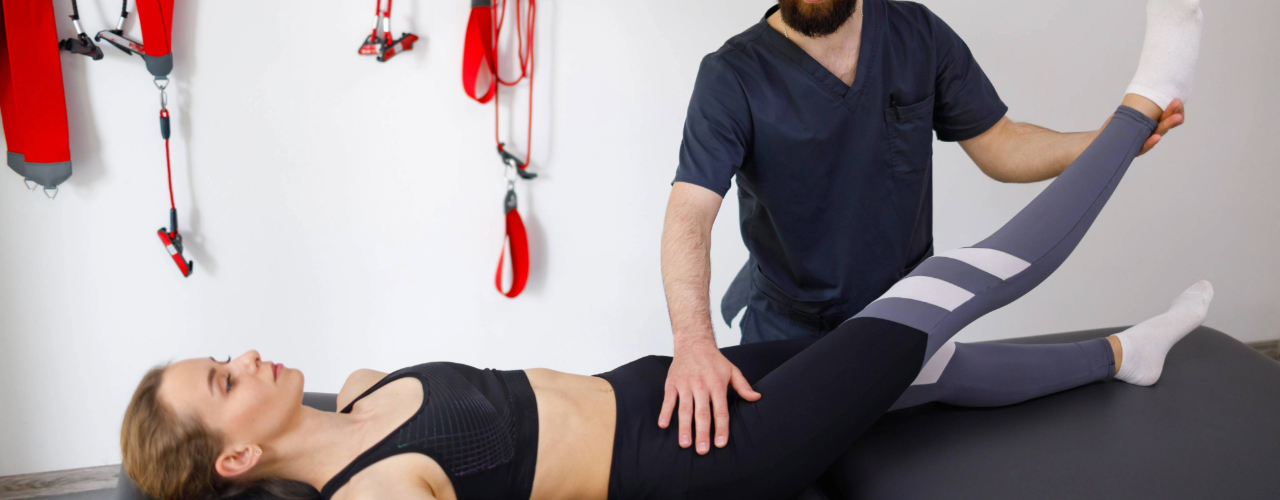
- Hands-on techniques such as joint mobilization and soft tissue massage can help improve knee function by reducing stiffness and enhancing mobility.
Personalized Exercise Programs
- We’ll create a customized exercise plan to strengthen the muscles around the knee, improve mobility, and reduce strain on the joint. This helps stabilize the knee and prevent future injuries.
Balance and Coordination Training
- Improving balance and coordination can help prevent falls and reduce stress on the knee joint. These exercises are especially beneficial for individuals recovering from knee injuries.
Postural and Gait Training
- Improving posture and gait (your walking patterns) can help correct movement patterns contributing to knee pain. We’ll assess how you walk and make adjustments to reduce strain on the knee.
Chiropractic Care for Knee Pain
- We also offer chiropractic care at our St Louis Park, MN, Osseo, MN, Rosemount, MN, or Duluth, MN clinic. Chiropractic adjustments can help improve joint alignment and reduce knee pain caused by improper movement patterns.
Take the First Step Toward Knee Pain Relief
If you’re struggling with knee pain, our team can help you regain mobility and improve your quality of life. We understand the common causes of knee pain and will work with you to develop a personalized treatment plan that addresses them head-on.
Schedule an appointment today to get started!

Leave a Reply